Machu Picchu Circuit One The Ultimate Panoramic Experience
Welcome to the ultimate guide to Machu Picchu’s Circuit 1: The Panoramic Experience. If you’re seeking breathtaking views, challenging hikes, and unforgettable memories, you’ve come to the right place.
Circuit 1 is designed for adventure enthusiasts and photography lovers who want to experience Machu Picchu from its most stunning vantage points.
- Overview of the Four Routes
- Route 1-A: Machu Picchu Mountain
- Route 1-B: Upper Terrace
- Route 1-C: Intipunku Gate
- Route 1-D: Inca Bridge
- Preparing for Your Circuit 1 Adventure
- Best Times to Visit
- Photography Tips for Circuit 1
- Fitness and Altitude Considerations
- Conservation and Responsible Tourism
- Booking Your Circuit 1 Experience
- FAQs
What Makes Circuit One Special?
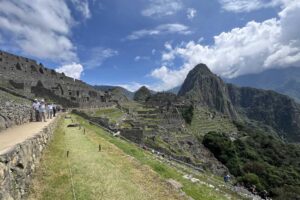
Circuit One is characterized by its panoramic views of the Inca citadel and the surrounding sacred mountains. This circuit offers:
- Expansive vistas of Machu Picchu and its mountainous surroundings
- Opportunities to connect with Andean deities through the landscape
- Four distinct routes, each offering unique perspectives and experiences
- Challenging hikes that reward effort with spectacular scenery
Overview of the Four Routes of Circuit One
Before we dive into the details of each route, let’s take a quick look at what Circuit 1 has to offer:
| Route | Name | Distance | Difficulty | Key Features |
|---|---|---|---|---|
| 1-A | Machu Picchu Mountain | 3.8 km | High | Summit views, Salkantay and Pumasillo peaks |
| 1-B | Upper Terrace | 1.6 km | Medium | Panoramic citadel views, Vilcabamba Batholith |
| 1-C | Intipunku Gate | 3.4 km | Medium | Inca Trail entrance, alternative city view |
| 1-D | Inca Bridge | 2.6 km | Medium | Ancient Inca engineering, Vilcanota Valley views |
Now, let’s explore each route in detail to help you choose the perfect panoramic experience for your visit.
Route 1-A: Machu Picchu Mountain
Route Overview
- Distance: 3.8 km round trip
- Difficulty: High
- Estimated Time: 3-4 hours
- Max Altitude: 3,082 meters (10,111 feet)
What to Expect
Route 1-A takes you to the summit of Machu Picchu Mountain, offering the most challenging but rewarding experience in Circuit 1. As you ascend, you’ll be treated to increasingly spectacular views of the Inca citadel and the surrounding landscape.
Key Highlights:
- Summit Views: From the top, witness panoramic vistas of Machu Picchu that few visitors ever see.
- Sacred Peaks: Observe the snow-capped Salkantay and Pumasillo mountains, revered by the Incas.
- Cultural Landscape: Gain a unique perspective on how Machu Picchu fits into its natural surroundings.
Tips for Climbing Machu Picchu Mountain
- Start early to avoid midday heat and crowds
- Pace yourself and take frequent breaks
- Bring plenty of water and snacks
- Wear sturdy hiking boots with good traction
Photography Opportunities
The summit of Machu Picchu Mountain offers 360-degree views, perfect for capturing:- The entire Machu Picchu citadel from above
- Dramatic shots of Huayna Picchu
- The winding Urubamba River far below
“The view from Machu Picchu Mountain is simply breathtaking. It’s a challenging climb, but the reward is beyond words.” – Maria S., Travel BloggerBack to Top
Route 1-B: Upper Terrace
Route Overview
- Distance: 1.6 km round trip
- Difficulty: Medium
- Estimated Time: 1-2 hours
- Max Altitude: 2,500 meters (8,202 feet)
What to Expect
Route 1-B, known as the Upper Terrace route, is the perfect choice for those seeking panoramic views without the intense physical challenge of Machu Picchu Mountain.
Key Highlights:
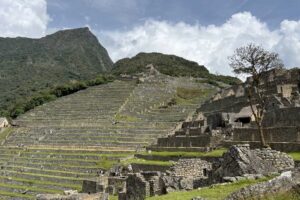
- Panoramic Viewpoint: Access the famous mirador for classic Machu Picchu photos.
- Vilcabamba Batholith: Observe this impressive geological formation up close.
- Vilcanota River: Watch the winding path of the river through the valley below.
Geological Wonders
The Vilcabamba Batholith is a massive granite intrusion that forms the core of the mountain range. This geological feature played a crucial role in the Inca’s choice of location for Machu Picchu.
Best Times for Photography
- Early morning for soft light on the citadel
- Late afternoon for dramatic shadows and golden hour glow
Accessibility
This route is more accessible than 1-A, making it suitable for:
- Families with older children
- Those with moderate fitness levels
- Visitors short on time but wanting panoramic views
“The Upper Terrace route gave us the perfect balance of stunning views and a manageable hike. It’s a must-do for any visitor to Machu Picchu.” – John D., Adventure Traveler
Route 1-C: Intipunku Gate
Route Overview
- Distance: 3.4 km round trip
- Difficulty: Medium
- Estimated Time: 2-3 hours
- Max Altitude: 2,745 meters (9,006 feet)
- Availability: High season only
What to Expect
Route 1-C leads you to the famous Intipunku, or Sun Gate, the original entrance to Machu Picchu for those traveling on the Inca Trail. This route offers a unique perspective on the citadel and a glimpse into the ancient pilgrimage to this sacred site.
Key Highlights:
- Inca Trail Connection: Walk the final stretch of the legendary Inca Trail.
- Sun Gate Experience: Stand in the same spot where Inca pilgrims first gazed upon Machu Picchu.
- Alternative Citadel View: Enjoy a different angle of Machu Picchu, framed by the Sun Gate.
Historical Significance
Intipunku played a crucial role in the Inca’s solstice observations and religious ceremonies. Walking this path connects you directly with the spiritual journey of ancient Inca pilgrims.
Best Times to Visit
- Early morning to watch the sunrise over Machu Picchu (if regulations allow)
- Late afternoon for softer light and fewer crowds
Photography Tips
- Use the Sun Gate as a natural frame for Machu Picchu
- Capture the winding path of the Inca Trail leading to the gate
- Look for opportunities to photograph hikers arriving from the Inca Trail for scale and human interest
“Reaching the Sun Gate and seeing Machu Picchu appear through the mist was a moment I’ll never forget. It’s worth every step.” – Emma L., Inca Trail Hiker
Route 1-D: Inca Bridge
Route Overview
- Distance: 2.6 km round trip
- Difficulty: Medium
- Estimated Time: 1-2 hours
- Max Altitude: 2,600 meters (8,530 feet)
- Availability: High season only
What to Expect
Route 1-D takes you to one of Machu Picchu’s hidden gems – the Inca Bridge. This lesser-known path showcases the Incas’ incredible engineering skills and offers stunning views of the Vilcanota Valley.
Key Highlights:
- Ancient Engineering: Marvel at the Inca Bridge, a testament to Inca ingenuity.
- Vilcanota Valley Views: Enjoy sweeping vistas of the lush valley below.
- Less Crowded Experience: Explore a part of Machu Picchu that many visitors miss.
The Inca Bridge: A Marvel of Engineering
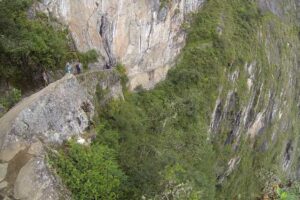
The Inca Bridge is a 20-foot gap in a cliff face, filled by tree trunks that could be removed to render the trail impassable to outsiders. This clever defensive feature protected the western approach to Machu Picchu.
Safety Considerations
- The trail to the Inca Bridge has some narrow sections with steep drop-offs
- The bridge itself is not crossable for safety reasons
- Always follow guide instructions and stay within designated areas
Photography Opportunities
- Capture the dramatic cliff-side trail leading to the bridge
- Frame shots of the valley using the natural rock formations
- Look for opportunities to showcase the scale of the landscape
“The Inca Bridge trail was an unexpected highlight of our trip. It’s less crowded and offers a real sense of adventure.” – Alex T., History EnthusiastBack to Top
Preparing for Your Circuit One Adventure
To make the most of your Circuit 1 experience, proper preparation is key. Here’s what you need to know:
Essential Packing List
- Comfortable, sturdy hiking shoes
- Layered clothing (weather can change quickly)
- Rain jacket or poncho
- Sun protection (hat, sunglasses, sunscreen)
- Plenty of water (at least 2 liters per person)
- High-energy snacks
- Camera with extra batteries
- Passport (required for entry)
Physical Preparation
- Start a regular hiking or stair-climbing routine at least a month before your trip
- Gradually increase the difficulty and duration of your workouts
- Practice hiking at higher elevations if possible
- Focus on cardio and leg-strengthening exercises
Altitude Acclimatization
- Spend at least 2-3 days in Cusco or the Sacred Valley before attempting Circuit 1
- Stay hydrated and avoid alcohol during acclimatization
- Consider natural remedies like coca tea to help with altitude adjustment
Best Times to Visit
Choosing the right time to visit can greatly enhance your Circuit 1 experience. Here’s a breakdown of what to expect throughout the year:
| Season | Months | Pros | Cons |
|---|---|---|---|
| Dry Season | May to October | Clear skies, best photography conditions | Larger crowds, higher prices |
| Shoulder Season | April, November | Fewer crowds, lush landscapes | Increased chance of rain |
| Wet Season | December to March | Vibrant green landscapes, fewer visitors | Higher chance of trail closures, limited visibility |
Optimal Visiting Hours
- Early Morning (6:00 AM – 9:00 AM): Best for Route 1-A and 1-C, ideal lighting for photography
- Mid-Morning to Early Afternoon (9:00 AM – 2:00 PM): Suitable for Route 1-B and 1-D
- Late Afternoon (2:00 PM – 5:30 PM): Beautiful golden hour light, fewer crowds
Pro Tip: Book your tickets well in advance, especially for the dry season, as Circuit 1 routes have limited daily capacity.Back to Top
Photography Tips for Circuit One
Circuit 1 offers some of the most photogenic views of Machu Picchu. Here are some tips to capture the magic:
- Golden Hour Magic: Plan to be at key viewpoints during sunrise or sunset for dramatic lighting.
- Use Natural Frames: Incorporate Inca windows, doorways, or the Sun Gate to frame your shots of Machu Picchu.
- Capture Scale: Include people or Inca structures in your wide shots to showcase the immense scale of the landscape.
- Weather Drama: Don’t shy away from moody weather – mist and clouds can add mystery and depth to your photos.
- Detail Shots: Balance your panoramas with close-ups of Inca stonework, local flora, or the textures of the mountains.
- Slow Shutter Speed: For routes near water sources, use a slow shutter speed to create silky water effects.
- Panorama Mode: Use your camera’s panorama mode to capture the expansive views from Machu Picchu Mountain or the Upper Terrace.
Recommended Camera Gear
- Wide-angle lens for sweeping vistas
- Telephoto lens for capturing distant details
- Tripod for low-light conditions (if allowed)
- Polarizing filter to enhance sky and reduce glare
- Extra batteries and memory cards
“The key to great Machu Picchu photos is patience. Wait for the right light, and don’t be afraid to revisit the same spot at different times of day.” – Carlos M., Professional PhotographerBack to Top
Fitness and Altitude Considerations
Circuit 1, especially Route 1-A, can be physically demanding. Here’s what you need to know about fitness requirements and dealing with altitude:
Fitness Levels Required
- Route 1-A (Machu Picchu Mountain): High level of fitness required. Suitable for experienced hikers.
- Route 1-B (Upper Terrace): Moderate fitness level. Manageable for most visitors with some preparation.
- Route 1-C (Intipunku Gate): Moderate to high fitness level. Challenging but doable for most active individuals.
- Route 1-D (Inca Bridge): Moderate fitness level. Similar to Route 1-B in difficulty.
Altitude Sickness Prevention
- Gradual Ascent: Spend time in Cusco or the Sacred Valley to acclimatize before attempting Circuit 1.
- Stay Hydrated: Drink plenty of water before and during your visit.
- Pace Yourself: Take frequent breaks and ascend slowly, especially on Route 1-A.
- Listen to Your Body: If you experience severe symptoms, descend immediately and seek medical attention.
Symptoms to Watch For
- Headache
- Dizziness
- Shortness of breath
- Nausea
Remember: There’s no shame in turning back if you’re not feeling well. The mountains will always be there for another visit.Back to Top
Conservation and Responsible Tourism
As visitors to this UNESCO World Heritage site, we all have a responsibility to protect Machu Picchu for future generations. Here’s how you can be a responsible tourist:
Leave No Trace Principles
-
- Plan Ahead and Prepare: Know the regulations and special concerns for the area.
- Travel and Camp on Durable Surfaces: Stick to designated trails to prevent erosion.
- Dispose of Waste Properly: Pack out all trash, leftover food, and litter.
- Leave What You Find: Preserve the past: examine, but do not touch, cultural or historic structures and artifacts.
- Minimize Campfire Impacts: No fires allowed in Machu Picchu.
- Respect Wildlife: Observe wildlife from a distance. Do not feed animals.
- Be Considerate of Other Visitors: Respect the quality of other visitors’ experiences.
Supporting Local Communities
- Purchase authentic, locally-made souvenirs
- Use local guides and services when possible
- Learn about and respect local customs and traditions
Machu Picchu’s Ongoing Conservation Efforts
Machu Picchu faces several conservation challenges, including:- Erosion from foot traffic
- Climate change impacts
- Pressure from increasing tourism
“Every step we take in Machu Picchu should be one of respect and wonder. We are the guardians of this legacy for future generations.” – Dr. Elena Rodriguez, Archaeologist
 Back to Top
Booking Your Circuit One Experience
Ready to embark on your Circuit 1 adventure? Here’s everything you need to know about booking your visit:
Ticket Types and Prices
| Route | Adult Price (USD) | Student Price (USD)* | Max Daily Visitors |
|---|---|---|---|
| 1-A | $75 | $45 | 400 |
| 1-B | $65 | $40 | 800 |
| 1-C | $70 | $42 | 500 |
| 1-D | $70 | $42 | 500 |
*Student prices apply to visitors under 25 with a valid student ID
How to Book
- Visit the official Machu Picchu ticket website
- Select your preferred route and date
- Fill in your personal details
- Make the payment
- Print your ticket or save it on your mobile device
Booking Tips
- Book at least 3 months in advance, especially for high season (June-August)
- Consider booking through a reputable travel agency for a hassle-free experience
- Check for combination tickets if you plan to visit multiple sites in the area
Cancellation and Refund Policy
- Tickets are non-refundable and non-transferable
- In case of site closure due to unforeseen circumstances, contact the official Machu Picchu administration for guidance
Pro Tip: Purchase travel insurance that covers trip cancellation to protect your investment.
FAQs
Here are answers to some frequently asked questions about Circuit 1:
- Q: Can I do multiple routes in one day? A: While it’s possible to combine shorter routes like 1-B and 1-D, attempting all routes in one day is not recommended due to time constraints and physical demands.
- Q: Are there bathrooms available on the routes? A: There are bathrooms near the entrance to Machu Picchu, but not on the routes themselves. Plan accordingly.
- Q: Can I bring food into Machu Picchu? A: Small snacks and water are allowed, but picnicking is prohibited. There’s a snack bar outside the citadel entrance.
- Q: Is it safe to drink the water in Machu Picchu? A: It’s best to bring your own bottled water. Water sources within the site are not potable.
- Q: Are there age restrictions for Circuit 1 routes? A: There are no official age restrictions, but Route 1-A is not recommended for young children or those with mobility issues.
- Q: Can I hire a guide at Machu Picchu? A: Yes, licensed guides are available for hire at the entrance, but it’s better to book in advance, especially in high season.
- Q: What happens if it rains during my visit? A: Machu Picchu is open rain or shine. Bring appropriate rain gear and be prepared for muddy conditions on the trails.
- Q: Are drones allowed in Machu Picchu? A: No, drones are strictly prohibited in Machu Picchu to protect the site and wildlife.
Circuit 1: The Panoramic Experience offers an unparalleled journey through the wonders of Machu Picchu. From the breathtaking summit views of Machu Picchu Mountain to the engineering marvel of the Inca Bridge, each route provides a unique perspective on this ancient citadel.
By choosing Circuit 1, you’re not just seeing Machu Picchu—you’re experiencing it in all its glory. You’re walking in the footsteps of the Incas, witnessing the same awe-inspiring vistas that have captivated explorers for centuries.
Remember to book your tickets well in advance, prepare physically for the challenges, and approach your visit with respect for both the cultural heritage and natural environment. With proper planning and an open heart, your Circuit 1 experience will be nothing short of transformative.
Are you ready to embark on the adventure of a lifetime? Machu Picchu awaits!